Strategic Advice for Operating Cost-Efficient Scraping Gateways
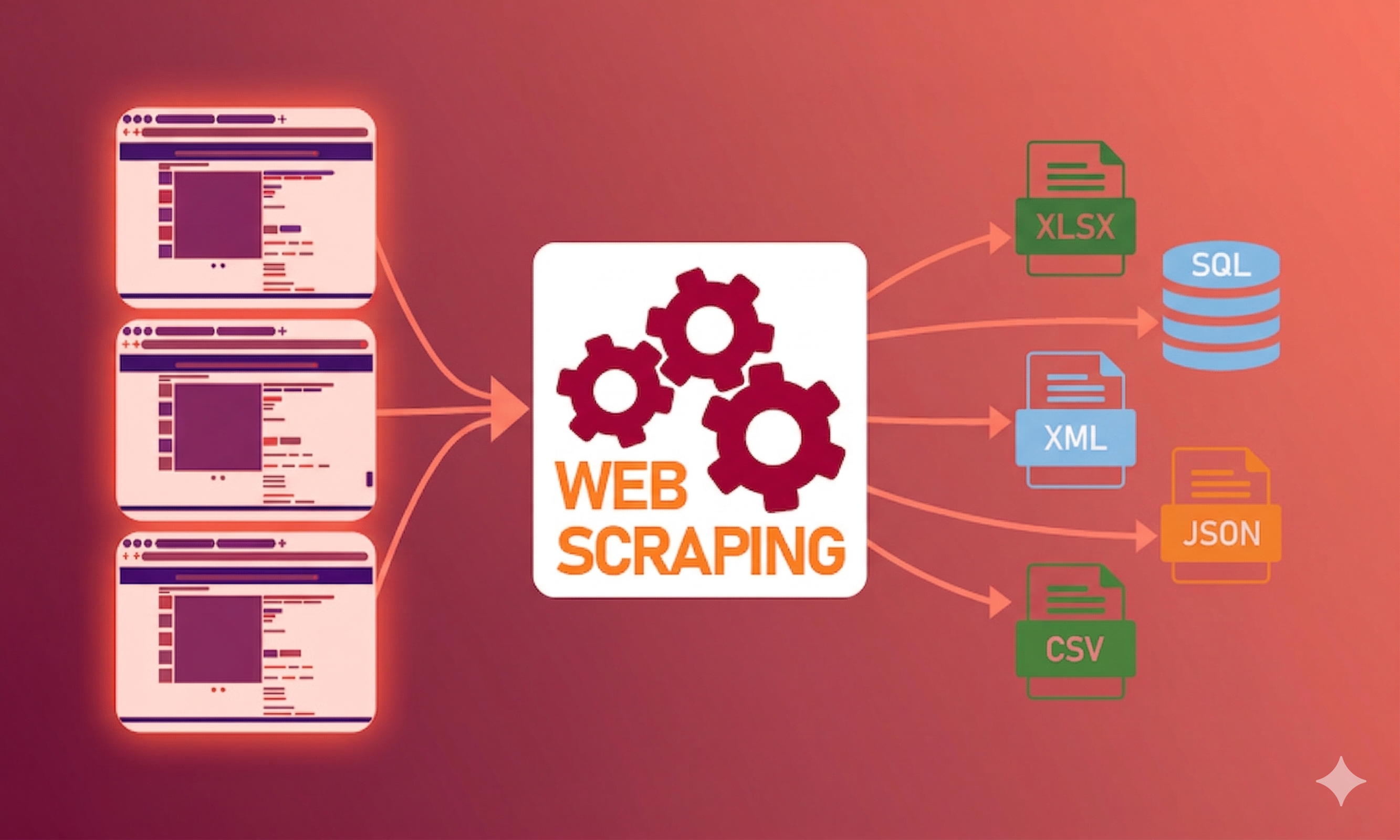
Real-time pipelines perform: Field mapping and value normalization Schema enforcement based on use-case design templates Error detection and correction before storage Every record gets in the system tidy, validated, and all set for downstream intake. Without metadata tracking, it's difficult to show where data came from or how it was processed.

These governance requirements are progressively complicated, which is why incorporating business information integration services is vital for end-to-end traceability. Governance is built into every layer: Family tree tracking ties raw inputs to output endpoints Embedded legal descriptors define source, license, and acceptable usage Traceable access rules are scoped by user function and jurisdiction Groups can verify compliance, trace mistakes, and impose access policies without retroactive repairs or manual cleanup.
Speed, dependability, and access control are lost. Expose information by means of managed APIs: RESTful endpoints with token authentication Rate restricting and usage logging per customer Payload personalization for batch or stream access Systems can integrate scraping outputs directly into analytics, CRM, or LLM pipelineswithout awaiting manual syncs. Schedule + disperse crawl jobs Distributed queues, job prioritization Conserve tidy, query-ready data S3, Parquet, Delta Lake, HDFS, versioning Stabilize, validate, and impose Real-time mappers, schema templates Tag, track, and safe information Lineage metadata, usage rights, access logs Serve to systems and apps APIs, rate limiting, batch/stream shipment When we engineer web scraping architectures, we construct them precisely like thislayer by layer, with clear duties, integrated governance, and scale-ready defaults.
When web information is dealt with as a one-time extract, the result is rework, fragmentation, and compliance blind spots. When crafted as a data item, scraped info ends up being a reusable, governed asset that supports multiple business applications without duplication or decay.
Deploying Robust Internal Proxy Networks
These can serve analytics, AI models, dashboards, or external sharing, without re-engineering the pipeline whenever. The ramifications for web scraping systems are clear: Scraping modules map straight to systems of record (product listings, pricing pages, etc) Improvement logic lines up with operational metadata, schema enforcement, and legal tagging Multiple-use data productssuch as normalized ASIN versions, seller-level rates, or ZIP-segmented inventoryserve as the foundation of scalable intake Intake archetypes specify how scraped data flows into LLMs, control panels, CRM sets off, or compliance reporting To ground this principle, take a look at the visual listed below: Dealing with scraped information as a one-time extract results in lose, duplication, and compliance risks.
all inclusive GSA SER VPSAn information item technique standardizes scraping outputs throughout usage cases. A governed scraping product consists of: Ingestion flows that tag metadata and legal attributes Schema-enforced outputs lined up to real company reasoning Prebuilt items: stabilized ASIN listings, ZIP-coded stock, variant-level pricing Scraping facilities ends up being recyclable.
This lowers cost, minimizes danger, and speeds decision-making. It mirrors how GroupBWT develops closed-loop systems for clients. Every record is traceable. Every improvement is governed. Every shipment endpoint is mapped to genuine use: LLM ingestion, control panel feeds, CRM syncs, or compliance reports. To enhance performance and minimize detection threat, executing a dependable how to make turning proxies is essential at the ingestion layer of this architecture.
Expert Tips for Managing Cheap Scraping Gateways
Below are anonymized examples of enterprise systems crafted by GroupBWT under NDA. They are active systemslive, governed, and created to operate at scale under legal, functional, and infrastructure restrictions.
Manual checks and breakable scripts triggered everyday blind areas and rates delays. We delivered a web scraping infrastructure that: Tracked layout changes utilizing vibrant selector reasoning Lined up product versions with moms and dad SKUs Tagged shipment areas and shipping tiers at the SKU level This stabilized stock monitoring at 98%+ accuracy and decreased catalog update latency from 9 hours to thirty minutes throughout 3.2 M products.
A monetary services customer needed to aggregate disclosures and regulatory filings from over 100 regional and worldwide guard dog sites. Existing supplier APIs were delayed or insufficient. Our team deployed a facilities of information scraping that: Collected structured and semi-structured files in real time Utilized template-based parsing to stabilize filings Tagged each record for jurisdiction, issuer, and update frequency As an outcome, latency to accessibility dropped from 72 hours to under 1 hour.












